Rucksack Laptop Backpack: What to Look for and Why It Matters in 2026

Rucksack Laptop Backpack

Why Your Laptop Deserves a Better Bag

Most people pick a laptop backpack the same way they pick a phone case — quickly, cheaply, and without thinking too hard. Until something goes wrong.

A knocked corner, a wet afternoon, a strap that digs into your shoulder after twenty minutes — these are the things a poorly chosen bag costs you.

A rucksack laptop backpack, when chosen well, does the opposite. It protects your device, distributes weight correctly, organises your daily carry, and lasts long enough to become one of those things you just stop thinking about.

This guide helps you get that choice right the first time.

What Is a Rucksack Laptop Backpack?

A rucksack laptop backpack combines the traditional rucksack design — top-heavy load distribution, wide padded straps, structured frame — with a dedicated padded laptop compartment and modern organisation features.

Unlike slim laptop sleeves or casual daypacks, a rucksack laptop bag is built for extended carry. It distributes weight across your back and shoulders rather than pulling from a single point, making it far more comfortable for commuters, travellers, and professionals who are genuinely on the move.

What to Actually Look for — 7 Features That Matter

There’s a lot of noise in the backpack market. Ignore the buzzwords. Focus on these:

1. Padded Laptop Compartment

This is the core feature. The sleeve should be padded on all sides — not just the back panel. The laptop should sit snugly without rattling. Look for a raised base or false bottom that prevents the bag’s weight from landing directly on the laptop if you set it down.

2. Material Durability

Canvas, nylon, and polyester each have trade-offs. For a rucksack laptop bag that sees daily use:

  • Canvas — Heavy duty, breathes well, develops character over time
  • Nylon (Cordura or Ballistic) — Lightweight, highly water-resistant, long-lasting

For a bag you’ll carry daily for years, canvas or Cordura nylon is worth the investment.

3. Water Resistance

India’s monsoon season alone justifies this requirement. Your laptop shouldn’t be at risk every time the sky opens. Look for water-resistant coatings, sealed seams, or a bag that comes with a rain cover.

4. Back Panel and Strap Ergonomics

Padded shoulder straps are standard. What separates good bags from great ones is airflow channels in the back panel, a sternum strap for weight distribution, and adjustable strap length. If you carry 8–12kg daily, this matters more than anything else.

5. Compartment Organisation

You need more than a big pocket and a small pocket. The best rucksack laptop bags offer:

  • Main compartment for clothes, documents, or gear
  • Laptop sleeve (dedicated, padded)
  • Front zip pocket for quick-access items
  • Internal organiser slots for chargers, pens, cards
  • Side pockets for water bottles

6. Laptop Size Compatibility

Always check the spec. Most bags list the maximum laptop size they fit — usually 13″, 14″, 15.6″, or 17″. The sleeve should have at least half an inch of clearance around your device.

7. Overall Capacity

For most people:

  • 20–25L: Office commute + light travel
  • 25–35L: Full-day work setup + gym or travel essentials
  • 35L+: Extended travel, heavy daily load

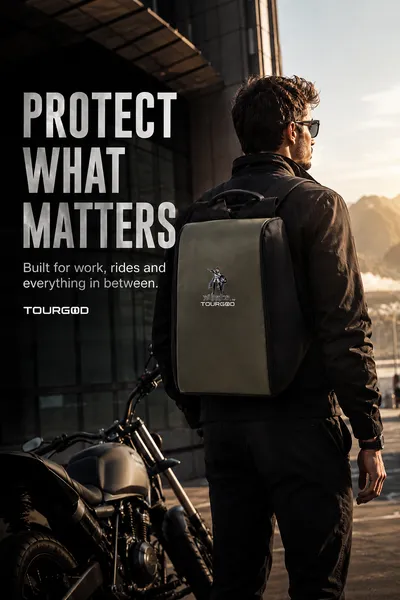
TourGod Backpacks Collection: Built for Real Carry

TourGod’s backpack range is designed by people who understand what daily carry actually looks like in India — long commutes, monsoon rain, crowded transit, and the need to go from office to weekend without swapping bags.

The TourGod backpack collection features:

  • Reinforced laptop compartments with padding on all sides
  • Durable outer shells built for heavy daily use
  • Ergonomic strap systems with padded back panels
  • Practical internal organisation — not just one large cavity
  • Bold design without compromising function

These bags are made for professionals, students, and travellers who want a bag that works as hard as they do — and still looks intentional.

👉Browse Here : https://tourgod.com/product-category/backpacks/

Rucksack vs Regular Laptop Backpack: What’s the Difference?

People ask this a lot. Here’s a clear answer:


Rucksack Laptop Backpack

Standard Laptop Backpack

Weight distribution

Top-loaded, back-centred

Varies

Strap system

Wide, padded, usually sternum strap

Basic padded straps

Capacity

Generally larger (25–40L)

Usually smaller (15–25L)

Best for

Travel, heavy daily carry, outdoor use

Light office commute

Build

More structured and rugged

Often lighter and slimmer

A rucksack laptop backpack is the right call if you’re carrying a full day’s load, travelling regularly, or simply want a bag that lasts.

Frequesntly Asked Question

Can I use a rucksack laptop backpack for hiking or trekking?

Lighter rucksack laptop bags work well for day hikes. For serious trekking, look for a bag with a hip belt and a load distribution frame. TourGod's bags balance urban and light outdoor use well.

How do I know if a backpack fits my laptop?

Check the listed laptop sleeve dimensions in the product specs. Your laptop's diagonal screen size (e.g., 15.6") should match or be smaller than the sleeve size listed.

How long does a good rucksack laptop backpack last?

A well-made bag with durable material and reinforced stitching should last 5–8 years of daily use, sometimes longer. Cheap bags typically show wear within 12–18 months.

What makes TourGod backpacks different from brands like Skybags or Samsonite?

TourGod is a design-led Indian brand built around the carry needs of modern Indian users. The focus is on durability, purposeful design, and character — rather than generic corporate aesthetics or mass-market minimalism.

What is the best size rucksack laptop backpack for daily office use?

For most office commuters, a 20–25L rucksack is ideal. It fits a 15.6" laptop, charger, a change of clothes or lunch box, and daily essentials without being bulky.

Is a rucksack laptop backpack good for travel?

Yes — especially if it's carry-on compatible (under 40L and within airline size limits). Look for compression straps and a structured shape that slides into overhead bins without a fight.

How do I protect my laptop in a rucksack?

Choose a bag with a dedicated, padded sleeve — not just a flap or an open pocket. A false bottom (where the sleeve sits elevated above the base) adds extra protection when the bag is set down.

Leave a Reply

Your email address will not be published. Required fields are marked *

Comment

Name

Home Shop Cart Account
Shopping Cart (0)

No products in the cart. No products in the cart.